Planning a roof replacement in Boise this spring is a major home improvement decision, but it does not have to feel overwhelming. When you understand the step-by-step process of a residential roof replacement in Boise, you can move forward with clarity instead of uncertainty. At Peak Roofing, homeowners often ask what really happens during a new roof installation in Boise—how long their home will be exposed, whether surprise costs are common, and how to know the final result is built to last. The reassuring reality is that a properly managed roof replacement follows a structured, predictable system designed to protect your home at every phase.
Boise’s climate plays an important role in how roofing systems are installed. Spring is a popular season for roof replacement in Boise because moderate temperatures help shingles seal properly, while avoiding the extreme cold of winter and intense summer heat. However, freeze-thaw cycles, snow loads, and seasonal wind still influence installation standards. The National Roofing Contractors Association (NRCA) explains that long-term roof performance depends on a complete roofing system—not just shingles, but also underlayment, flashing, ventilation, and proper fastening methods. That is why understanding the full process—from tear-off to final inspection—helps you evaluate quality before, during, and after the project.
If you are preparing for a residential roof replacement in Boise, here is what you can expect.
Step 1: Pre-Project Planning & Site Preparation
Before any shingles are removed, preparation begins. A professional roofing contractor will confirm materials, review the scope of work, and walk through access points and safety planning. Communication at this stage reduces misunderstandings later.
Site preparation typically includes:
- Protecting landscaping with tarps or plywood
- Positioning a dumpster or trailer strategically
- Covering vulnerable exterior features
- Confirming power access if required
- Reviewing decking contingency pricing in writing
This planning phase matters because Boise weather can shift quickly. A well-organized contractor plans for a same-day dry-in, meaning your home is never left exposed overnight. In my experience reviewing roofing scopes for homeowners, the most successful projects are the ones where expectations are clearly documented before the tear-off begins.
Step 2: Tear-Off & Deck Inspection
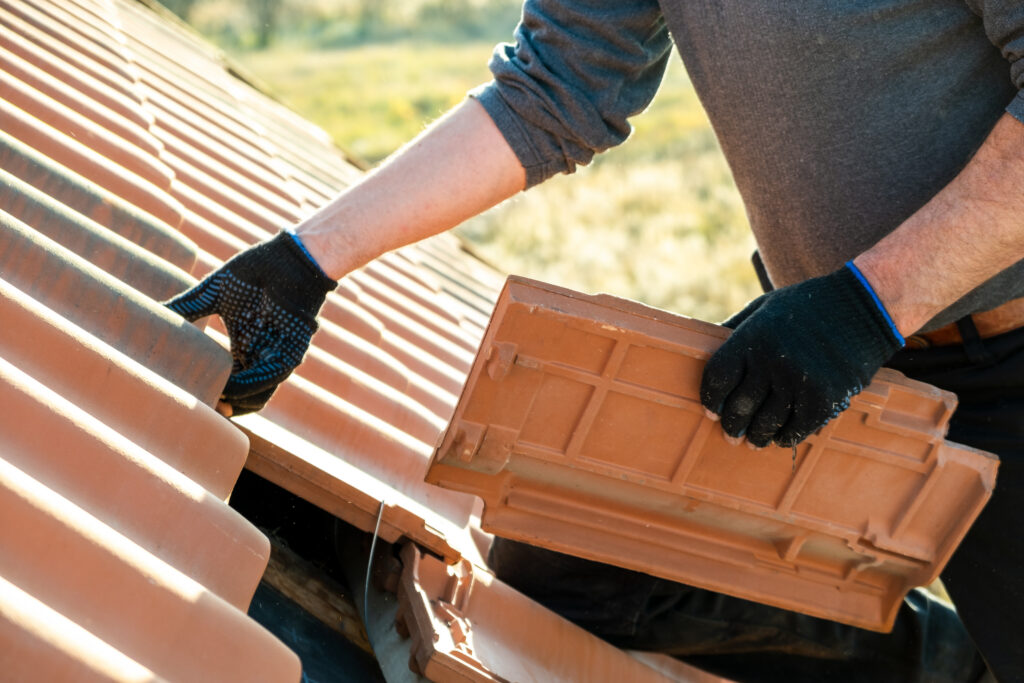
The tear-off phase is when old shingles, underlayment, and sometimes multiple roofing layers are removed down to the roof deck. This part of the process is loud and active, but it is also critical. Removing everything down to the decking allows the contractor to evaluate the structural foundation of the roof.
During tear-off, professionals inspect for:
- Soft or rotted decking
- Water damage around penetrations
- Delamination of plywood
- Nail fatigue or previous installation errors
Decking integrity is essential. If shingles are installed over compromised wood, fasteners cannot properly secure the new system. That can lead to wind damage or premature failure. According to industry standards referenced by the NRCA, the roof deck must be structurally sound before underlayment and shingles are applied.
If decking replacement is necessary, reputable contractors provide documentation and apply the agreed-upon per-sheet pricing. Clear contingency terms prevent surprise costs during your roof replacement in Boise.
Step 3: Dry-In & Weather Protection
Once the deck is confirmed to be solid, the next phase is called “dry-in.” This is one of the most important steps in a new roof installation in Boise because it creates a secondary moisture barrier beneath the shingles.
Dry-in typically includes:
- Installing drip edge along eaves and rakes
- Applying synthetic underlayment across the roof deck
- Placing ice and water shield in vulnerable areas (eaves and valleys)
- Sealing around penetrations
In climates like Boise, ice and water shield play a particularly important role due to freeze-thaw conditions. The U.S. Department of Energy emphasizes that proper moisture control and attic ventilation reduce the risk of condensation and ice dam formation. A thorough dry-in process provides redundancy, meaning your roof does not rely solely on shingles for protection.
The goal at this stage is full waterproofing before the visible roofing materials are installed.
Step 4: Flashing & Detail Work
Flashing is often the most overlooked part of roof replacement—but it is where many leaks originate years later. Flashing directs water away from critical transition points such as chimneys, skylights, valleys, and wall intersections.
Professional installation includes:
- Replacing old step flashing
- Installing new valley metal (if applicable)
- Sealing around vent pipes with updated boots
- Properly integrating flashing with underlayment
Reusing deteriorated flashing to save time or money increases risk. In my experience evaluating roof failures, improper flashing is one of the leading causes of premature leaks. A high-quality residential roof replacement in Boise treats flashing as a priority—not an afterthought.
Step 5: Shingle Installation & Ventilation Integration
With waterproofing and flashing in place, shingles are installed according to manufacturer specifications. Proper nailing patterns, alignment, and fastening depth are critical. Even high-quality shingles can fail if improperly secured.
Ventilation is often addressed during this phase. Balanced attic airflow helps regulate temperature and moisture levels year-round. Inadequate ventilation can shorten shingle lifespan and contribute to ice dam formation during Boise winters.
Key ventilation considerations include:
- Ridge vent installation
- Soffit intake evaluation
- Ensuring bathroom fans vent outside (not into attic space)
- Confirming balanced intake and exhaust airflow
The U.S. Department of Energy connects proper ventilation to moisture control and energy efficiency. Addressing airflow during roof replacement helps protect both your roofing system and your insulation investment.
Step 6: Cleanup & Final Inspection
Once installation is complete, cleanup begins immediately. Professional roofing companies prioritize leaving the property clean and safe.
Post-installation cleanup includes:
- Removing all debris and old materials
- Conducting a magnetic sweep for nails
- Clearing gutters of roofing debris
- Finalizing haul-away of dumpsters
After cleanup, a final inspection should take place. This walkthrough confirms that all scope items were completed, flashing was properly installed, ventilation components are functioning, and warranties are documented.
You should receive:
- Manufacturer warranty information
- Workmanship warranty details
- Confirmation of materials used
- Documentation of any decking replacement
A thorough final inspection provides peace of mind and accountability.
How Long Does Roof Replacement Take in Boise?
For most average-sized homes, roof replacement in Boise takes approximately 1–3 days. Larger or more complex homes may require additional time. Factors that can extend timelines include:
- Multiple roofing layers
- Extensive decking repairs
- Weather interruptions
- Complex rooflines or steep pitches
Spring conditions often provide favorable installation windows, but contractors should always have contingency plans for sudden weather changes.
Preparing Your Home for Roof Replacement
Homeowners can take a few simple steps to minimize disruption:
- Move vehicles away from the driveway
- Cover attic belongings with plastic sheeting
- Remove fragile wall décor
- Keep pets secured during work hours
Preparation reduces stress and helps the project move efficiently.
Replacing your roof is a significant investment, but understanding the process removes much of the uncertainty. A properly executed residential roof replacement in Boise should feel organized, transparent, and methodical—not chaotic. From tear-off to final inspection, each phase builds upon the last to create a durable, weather-resistant system built for Idaho conditions.
If you are planning a new roof installation in Boise this spring, choose a contractor who explains every step, documents the process, and treats your home with respect. Clear communication, written scope details, and thorough inspections are what turn a roof replacement from a stressful event into a confident upgrade that protects your home for decades.
FAQs
Reputable contractors aim for a same-day dry-in to keep your home protected.
Decking replacement is the most common variable expense.
Not always, but it should be evaluated and upgraded if necessary.
It is typically the loudest phase and may cause vibrations inside the home.
You should receive warranty documentation and confirmation of materials used.