
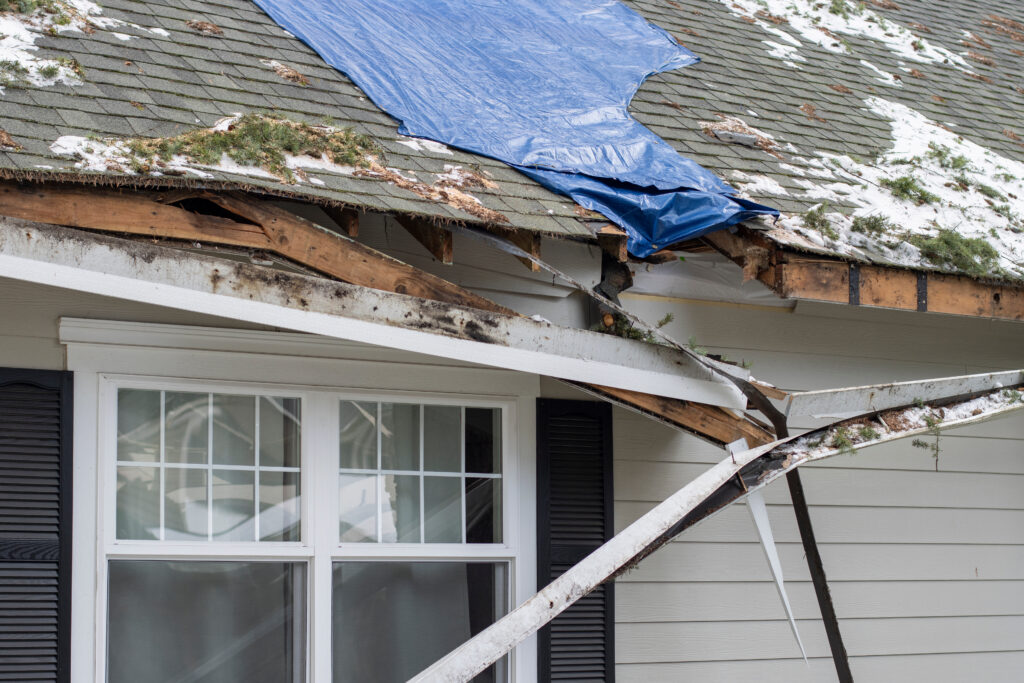
Boise spring storms can arrive quickly, bringing strong wind gusts, sudden hail bursts, and heavy rain within a short window of time. After the storm passes, many homeowners are left wondering whether their roof sustained damage—and if so, what steps to take next. Acting calmly and methodically is important. Not all storm activity results in serious roofing problems, but wind damage, roof issues, and hail damage concerns in Boise are common enough that every homeowner should know what to check before contacting their insurance provider.
At Peak Roofing, we often evaluate roofs after Treasure Valley storms and find that early action prevents minor issues from becoming expensive structural repairs. The key is knowing what visible signs indicate potential storm damage roof repair in Boise is necessary—and what can be monitored safely without panic.
Understanding the difference between cosmetic damage and functional damage will help you respond wisely.
Step 1: Start With a Ground-Level Inspection
After wind or hail, avoid climbing onto your roof. Wet shingles, loose granules, and unstable flashing create safety risks. According to the Occupational Safety and Health Administration (OSHA), roofing remains one of the most hazardous construction activities due to fall exposure. A visual inspection from the ground is safer and often sufficient to determine whether professional evaluation is needed.
From the ground, look for:
- Missing or lifted shingles
- Shingles lying in your yard
- Bent or detached gutter sections
- Pieces of metal flashing on the ground
- Large concentrations of shingle granules near downspouts
Wind damage to the roof in Boise often appears as missing tabs or creased shingles. Hail damage roof issues may be harder to see from the ground, but can sometimes appear as scattered dark spots or bruising patterns.
If your neighbors experienced visible damage, your roof may have been exposed to similar conditions.
Step 2: Check Interior Warning Signs
Storm damage is not always obvious from the exterior. After heavy wind-driven rain or hail, inspect your attic and ceilings for moisture-related clues.
Interior signs of potential damage include:
- New water stains on ceilings
- Damp insulation in attic spaces
- Dripping around vents or skylights
- Musty odors after rainfall
- Peeling paint near upper walls
The Environmental Protection Agency (EPA) notes that mold growth can begin within 24–48 hours of moisture exposure. Even small leaks caused by displaced flashing or cracked shingles can escalate if left untreated.
If you notice active dripping, contact a professional for storm damage roof repair in Boise promptly to prevent structural deterioration.
Step 3: Identify Wind Damage vs. Hail Damage
Understanding the type of storm damage helps determine next steps.
Wind Damage Roof Issues in Boise
Wind damage typically causes:
- Missing shingles
- Lifted or creased shingle tabs
- Exposed underlayment
- Detached ridge caps
- Loosened flashing
Boise’s spring wind gusts can exceed safe uplift thresholds for aging shingles. Once wind lifts a shingle and breaks its seal, it may not reseal properly.
Hail Damage Roof Problems in Boise
Hail damage often appears as:
- Circular impact marks
- Soft “bruised” areas on shingles
- Granule loss exposing asphalt
- Dents in metal flashing or gutters
According to the Insurance Institute for Business & Home Safety (IBHS), hail impact can shorten shingle lifespan even when damage appears minor. Functional damage—meaning the roof’s ability to shed water is compromised—is more important than cosmetic blemishes.
A professional inspection can distinguish between surface scuffs and structural impairment.
Step 4: Document Everything Before Calling Insurance
Before contacting your insurance provider, document visible signs of damage carefully.
Take:
- Clear photos of missing shingles
- Images of dents in gutters or flashing
- Photos of interior stains
- Wide shots of your entire roofline
Documentation protects you if you decide to file a claim. The Insurance Information Institute recommends prompt reporting of storm damage while also advising homeowners to gather evidence before repairs begin.
However, avoid signing contracts with contractors who pressure you to file a claim immediately. A reputable roofing contractor in Boise, ID, will provide an honest assessment and explain whether insurance involvement is warranted.
Step 5: Schedule a Professional Inspection
Even if the damage appears minor, a professional evaluation provides peace of mind. A trained roofing specialist can identify subtle hail bruising, flashing separation, or underlayment exposure that may not be visible from the ground.
During a storm damage roof repair inspection in Boise, contractors typically evaluate:
- Shingle integrity and seal lines
- Flashing condition around chimneys and vents
- Ridge cap attachment
- Gutter alignment
- Attic ventilation and moisture levels
In my experience reviewing post-storm inspections, many homeowners are surprised to learn that small flashing displacement can allow long-term moisture intrusion if ignored. Early repairs are significantly less expensive than replacing damaged decking months later.
Step 6: Avoid Temporary DIY Fixes
It may be tempting to patch visible issues with sealant or roofing cement. However, improper temporary repairs can complicate insurance claims or mask underlying damage.
Avoid:
- Climbing on the roof during wet conditions
- Nailing down lifted shingles without proper resealing
- Applying tar or caulk without inspection
- Removing damaged flashing without professional guidance
If active leaking occurs, interior containment (buckets and protective coverings) is safer than roof access during unstable conditions.
When Is Storm Damage Severe Enough for Insurance?
Not all storm damage justifies an insurance claim. Minor wind damage roof issues may be repairable without replacement. However, widespread hail damage roof bruising across multiple slopes, often warrants claim evaluation.
Insurance adjusters typically look for:
- Functional damage affecting water shedding
- Significant shingle displacement
- Dents in soft metals are consistent with hail impact
- Evidence of storm date correlation
A trusted local contractor can help assess whether filing a claim makes financial sense.
Preventing Future Storm Damage in Boise
While storms are unavoidable, proactive maintenance reduces vulnerability.
Consider:
- Annual roof inspections
- Replacing aging shingles before seal failure
- Upgrading to impact-resistant materials
- Ensuring flashing is properly secured
- Maintaining clear gutters for drainage
The National Roofing Contractors Association emphasizes that proper installation and maintenance extend roof lifespan and improve storm resilience.
Homeowners considering stronger roofing materials can also explore different shingle options designed for durability and weather resistance in Idaho’s changing climate.
Boise’s spring weather can be unpredictable, but your response does not need to be reactive or rushed. After wind or hail, start with a safe visual inspection, document findings, and schedule a professional evaluation if concerns arise. Acting early protects your home, prevents escalating moisture damage, and ensures that any necessary storm damage roof repair in Boise is handled correctly.
If you suspect hail damage roof issues or wind damage roof problems after a recent storm, schedule a professional inspection with a trusted local roofing contractor. Clear documentation and expert guidance can help you make the right decision before contacting insurance.
FAQs
Within 24–48 hours, once conditions are safe.
Yes. Many hail impacts are only visible during close inspection.
It is often helpful to obtain a professional assessment before filing a claim.
Not always. Shingles may be creased without fully detaching.
Delays increase the risk of moisture intrusion and further deterioration.