If you are planning a roof replacement in Boise, one of the biggest long-term decisions you will make is choosing between asphalt shingles and metal roofing. Both systems are widely used across the Treasure Valley, but they perform differently under Idaho’s unique climate conditions. From heavy winter snow and freeze-thaw cycles to hot, dry summers and occasional hailstorms, Boise weather demands a roofing system that balances durability, efficiency, and cost.
Homeowners comparing shingles vs metal roof in Boise often focus first on upfront price. While cost matters, long-term performance, lifespan, maintenance, and energy efficiency should also guide your decision. At Peak Roofing, we regularly help homeowners evaluate which material aligns best with their budget, aesthetic goals, and long-term planning strategy.
Below is a detailed comparison of shingles and metal roofing for Boise homes.
Boise Climate Considerations: Why Material Choice Matters
Boise experiences a four-season climate that places varied stress on roofing systems:
- Winter snow accumulation and ice dam risk
- Freeze-thaw cycles that expand and contract materials
- Spring hail and windstorms
- Summer heat exceeding 90°F
- High UV exposure at elevation
According to the National Weather Service, Idaho’s temperature swings can create expansion and contraction stress on building materials. Roofing systems must withstand these fluctuations without cracking, lifting, or deteriorating prematurely.
Choosing the right material is not simply about appearance—it is about how that material handles long-term climate exposure.
Asphalt Shingles in Boise: Pros & Cons
Asphalt shingles remain the most common roofing material in Boise due to affordability and versatility.
Advantages of Shingle Roofing
- Lower upfront cost
- Wide range of colors and styles
- Easier repairs and partial replacements
- Compatible with most residential roof structures
- Strong performance when properly installed
In terms of roof replacement cost in Boise, architectural asphalt shingles are typically the most budget-friendly option. For homeowners seeking reliable performance at a moderate investment, shingles are often the practical choice.
Modern architectural shingles are designed for wind resistance and can perform well in Treasure Valley conditions when paired with proper underlayment and ventilation. The National Roofing Contractors Association (NRCA) emphasizes that correct installation is just as important as material choice for longevity.
Limitations of Shingles
- Shorter lifespan compared to metal
- More vulnerable to hail bruising
- Granule loss over time
- Potential seal failure in high wind
In Boise, freeze-thaw cycles and hail can shorten the lifespan of standard shingles. While premium shingles offer improved durability, asphalt systems generally last 20–30 years depending on installation quality and maintenance.
Metal Roofing in Boise: Pros & Cons
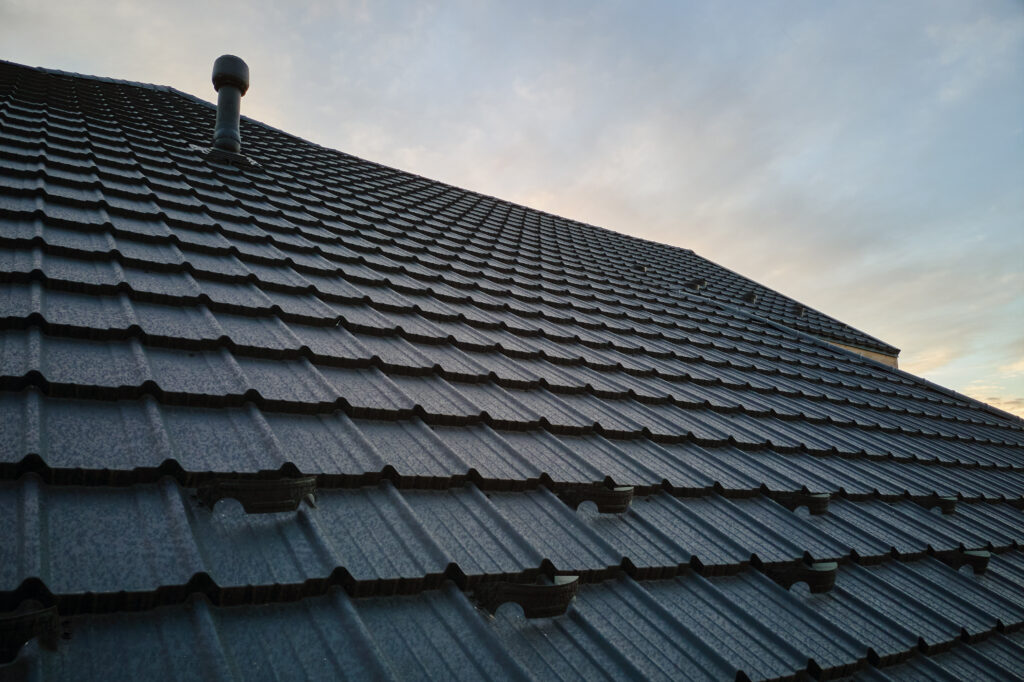
Metal roofing has gained popularity among Boise homeowners looking for extended durability and modern aesthetics.
Advantages of Metal Roofing
- Lifespan is often 40–70 years
- Excellent snow-shedding performance
- Resistant to hail cracking
- Non-combustible (fire-resistant)
- Reflective heat performance in summer
Metal roof Boise installations are particularly beneficial in areas with heavy snow. Smooth panels shed snow more efficiently than textured shingles, reducing ice dam formation risk when properly ventilated.
The U.S. Department of Energy notes that reflective metal roofing can reduce cooling costs by reflecting solar radiant heat. In Boise’s hot summers, this energy efficiency advantage may contribute to lower attic temperatures.
Limitations of Metal Roofing
- Higher upfront installation cost
- Potential for noise during heavy rain (if improperly insulated)
- Repairs may require specialized service
- Aesthetic preference varies
While metal roofing has a longer lifespan, the initial investment is typically higher than that of asphalt shingles. However, homeowners planning to stay in their homes long term may find the extended durability offsets the upfront expense.
Lifespan Comparison: Shingles vs Metal Roof Boise
When evaluating shingles vs metal roof in Boise, lifespan is a significant factor.
- Architectural shingles: 20–30 years average
- Premium impact-resistant shingles: 30–40 years
- Metal roofing: 40–70+ years
Metal roofs often last two to three times longer than traditional shingles. For homeowners focused on long-term planning, lifecycle cost may outweigh initial savings.
Heat Performance in Boise Summers
Summer heat can exceed 90°F in Boise, placing stress on roofing systems.
Asphalt shingles absorb heat, which may increase attic temperatures without proper ventilation. Balanced airflow is critical to maintain energy efficiency and reduce moisture accumulation.
Metal roofing reflects a portion of solar radiation. According to the U.S. Department of Energy, reflective roofing materials can lower roof surface temperature by up to 50°F under certain conditions.
However, insulation quality often has a greater impact on energy efficiency than roofing material alone. Both systems require proper attic ventilation to perform optimally.
Hail & Storm Resistance
Boise storms occasionally bring hail and strong wind.
- Asphalt shingles may bruise or lose granules during hail impact.
- Metal roofing resists cracking but may show cosmetic dents.
The Insurance Institute for Business & Home Safety (IBHS) indicates that impact-resistant materials can improve roof resilience in hail-prone areas. Homeowners should also understand the hail damage roof signs to watch for after any storm event.
For homeowners concerned about storm damage roof repair in Boise, impact-rated shingles or thicker gauge metal panels may provide added protection.
Maintenance Differences
Maintenance needs vary between systems.
Asphalt Shingles Require:
- Periodic inspection for granule loss
- Replacement of damaged tabs
- Monitoring flashing integrity
- Debris removal
Metal Roofing Requires:
- Occasional fastener checks
- Sealant inspection at penetrations
- Clearing debris from valleys
While both systems benefit from annual inspections, metal roofs typically require fewer material replacements over time. Scheduling a residential roof inspection is an effective way to catch issues early regardless of which material your home has.
Cost Comparison: Short-Term vs Long-Term
Upfront costs in Boise typically follow this pattern:
- Asphalt shingles: Lower initial investment
- Metal roofing: Higher upfront investment
However, lifecycle value changes the equation. If a homeowner replaces shingles twice within 50 years, total expenditure may approach or exceed the cost of a single metal roof installation.
Budget strategy matters. If you plan to move within 10–15 years, shingles may be financially practical. If you plan to stay long-term, metal may offer stronger long-term value. Understanding what goes into a roofing estimate in Boise helps you compare bids accurately regardless of material.
Aesthetic & HOA Considerations
Neighborhood guidelines sometimes influence roofing choices. Some homeowner’s associations restrict certain metal styles or colors.
Shingles offer:
- Traditional appearance
- Greater color variety
- Blended architectural designs
Metal roofing offers:
- Modern or farmhouse aesthetics
- Standing seam designs
- Long-panel uniformity
Personal preference plays a significant role here. Browsing available shingle options can help homeowners visualize how different styles and colors complement their home’s exterior.
Which Roofing System Is Better for Boise?
There is no universal answer. The best roofing shingles in Boise may be ideal for homeowners prioritizing affordability and traditional style. A metal roof in Boise may be optimal for those focused on durability, longevity, and snow performance.
When deciding between shingles vs metal roof Boise homeowners should consider:
- Budget
- Length of home ownership
- Storm exposure
- Energy efficiency goals
- Maintenance expectations
A professional inspection and detailed roofing estimate in Boise can help clarify which system aligns best with your home’s structure and long-term goals.
Choosing roofing material is not just about today’s cost—it is about how your investment performs through decades of Idaho weather. With clear evaluation and expert guidance, you can select a roofing system that protects your home and supports your long-term plans.
FAQs
For long-term homeowners, an extended lifespan often offsets a higher upfront investment.
Yes, metal sheds snow efficiently when properly installed.
Standard shingles can bruise during hail, though impact-resistant options improve durability.
Not typically when properly insulated and installed.
Both add value, but metal roofing’s longevity may appeal to certain buyers.