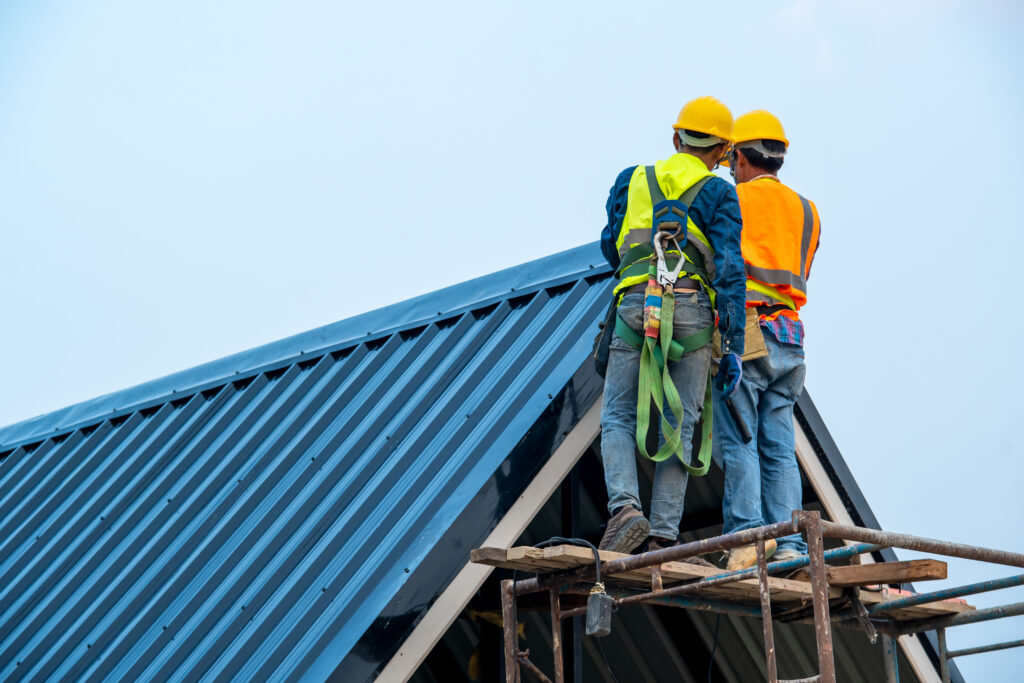
As Boise transitions from spring storms into the dry, high-temperature months of summer, many homeowners focus on landscaping, air conditioning maintenance, and outdoor upgrades. However, one of the most important preventative steps you can take before peak heat arrives is scheduling a professional roof inspection in Boise. Summer temperatures in the Treasure Valley frequently climb above 90°F, and prolonged ultraviolet exposure, thermal expansion, and attic heat buildup can accelerate existing roofing weaknesses.
At Peak Roofing, we often see small issues discovered during spring inspections turn into larger, more expensive repairs by late summer. What may begin as minor granule loss, lifted flashing, or subtle storm damage can quickly worsen under consistent heat stress. A proactive roof inspection in Boise helps identify vulnerabilities before high temperatures intensify them.
Understanding what a professional inspection includes—and why timing matters—can help you avoid unexpected mid-summer roofing problems.
Boise Summer Heat & Roofing Stress
Boise’s climate presents a unique combination of winter freeze-thaw cycles followed by intense summer sun. Roofing materials expand as temperatures rise and contract when they cool. Over time, that repeated movement can loosen fasteners, weaken sealant lines, and compromise flashing integrity.
According to the U.S. Department of Energy, roof surface temperatures can exceed 150°F during hot summer days. When attic ventilation is insufficient, trapped heat may further strain shingles and underlayment. Without proper airflow, excessive attic temperatures can:
- Accelerate shingle aging
- Warp decking materials
- Dry out sealants
- Reduce overall roof lifespan
A preventative roof inspection in Boise helps confirm your roofing system is prepared to withstand these seasonal demands.
What a Professional Roof Inspection in Boise Includes
Many homeowners search for “free roof inspection Boise” options, especially after storms. While promotional inspections may identify obvious damage, a comprehensive professional evaluation goes deeper.
A thorough inspection typically includes:
- Assessment of shingle condition and granule retention
- Inspection of flashing around chimneys, vents, and skylights
- Evaluation of ridge caps and seal lines
- Checking for lifted, cracked, or curling shingles
- Gutter and drainage review
- Attic ventilation assessment
- Identification of soft decking areas
In my experience reviewing pre-summer inspections, flashing separation and minor sealant deterioration are among the most common issues discovered. Left unaddressed, these minor weaknesses can allow moisture intrusion during sudden summer storms.
Professional documentation also provides a baseline record of roof condition, which can be valuable if storm damage occurs later in the season.
Why Timing Matters: Inspect Before Peak Heat
Scheduling a roof inspection in Boise before temperatures spike offers several advantages.
- Preventative Repairs Are Simpler
Minor fixes are easier to address in moderate temperatures. Shingles seal more predictably when installed or repaired before extreme heat. If repairs are needed, residential roof repair handled in spring is far less disruptive than emergency work mid-summer. - Storm Damage Identification
Spring hail and wind events may cause subtle damage that becomes worse under UV exposure. A storm damage roof inspection in Boise can identify hail bruising or wind lift before summer heat accelerates deterioration. - Improved Energy Efficiency
Confirming balanced attic ventilation before summer helps reduce indoor cooling strain. The U.S. Department of Energy emphasizes that proper ventilation improves energy performance and moisture control. - Avoid Emergency Repairs
Emergency service calls during peak summer demand may result in longer wait times. Preventative inspections reduce urgency and stress.
Proactive scheduling offers both financial and logistical benefits.
The Risk of Skipping Inspection
Ignoring seasonal inspections may lead to:
- Unexpected ceiling stains after summer thunderstorms
- Higher attic temperatures and increased cooling costs
- Accelerated shingle brittleness
- Sealant cracking around penetrations
- Minor leaks evolving into structural decking damage
The Environmental Protection Agency (EPA) notes that moisture intrusion can lead to mold development within 24–48 hours under the right conditions. Even small vulnerabilities can escalate quickly when exposed to heat and occasional summer rainfall.
Addressing minor issues early prevents more expensive structural repairs later.
Storm Damage Roof Inspection in Boise: Why It’s Especially Important
Spring storms in Boise can leave behind subtle hail damage or lifted shingles that may not leak immediately. However, when summer heat dries and expands compromised materials, seal lines may fail. Understanding the hail damage roof signs that often go unnoticed is a key part of staying ahead of costly repairs.
A storm damage roof inspection in Boise should assess:
- Hail impact bruising
- Shingle mat fractures
- Flashing displacement
- Ridge cap integrity
- Soft metal denting
The Insurance Institute for Business & Home Safety (IBHS) highlights that hail impact can weaken roofing materials even if visible cracking is not present. Identifying functional damage early protects homeowners before heat amplifies deterioration.
Free Roof Inspection in Boise: What to Know
Some companies advertise free roof inspection Boise services. While these can be helpful screening tools, homeowners should understand the scope.
Before scheduling, ask:
- Is the inspection documented with photos?
- Does it include attic ventilation review?
- Will findings be explained clearly without pressure?
- Are repair recommendations supported by evidence?
A professional inspection should prioritize education and transparency—not urgency-based sales tactics. It also helps to know what a complete roofing estimate should include so you can evaluate any recommended repairs with confidence.
Signs You Should Schedule an Inspection Immediately
Even if you have not noticed active leaks, certain signs suggest you should schedule a roof inspection in Boise promptly:
- Your roof is 15+ years old
- You notice excessive granules in gutters
- Shingles appear curled or lifted
- You experienced recent hail or wind events
- Energy bills have increased unexpectedly
Preventative evaluation is especially wise for aging roofing systems approaching the end of their expected lifespan. If your system is nearing replacement, reviewing roof replacement cost in Boise ahead of time allows you to plan your budget without pressure.
Protecting Your Investment Before Summer
Your roof protects insulation, framing, ceilings, and interior finishes. Replacing damaged decking or insulation due to preventable leaks is significantly more expensive than conducting a routine inspection.
Boise homeowners who prioritize annual roof inspections often experience fewer emergency repairs and longer roof lifespans. Seasonal maintenance reflects responsible homeownership and long-term planning.
Preparing for summer heat does not need to be reactive. A professional roof inspection in Boise offers clarity, preventative protection, and peace of mind before high temperatures stress your roofing system.
If you are preparing your home for peak summer heat, schedule a professional roof inspection in Boise. Identifying minor concerns today can prevent costly repairs tomorrow and ensure your roof is ready for Idaho’s demanding summer conditions.
FAQs
At least once per year and after major storms.
They can be helpful, but ensure the inspection includes documentation and a thorough review.
Yes. Prolonged UV exposure and high attic temperatures accelerate aging.
A comprehensive inspection should evaluate ventilation balance and airflow.
Yes. Many roofing issues develop before visible leaks appear.